
- Le bellezze dell’isola di Creta
- Il car rental
- Perché conviene l’auto a noleggio?
- I vantaggi: non solo economici!
- Cosa vedere sull’isola
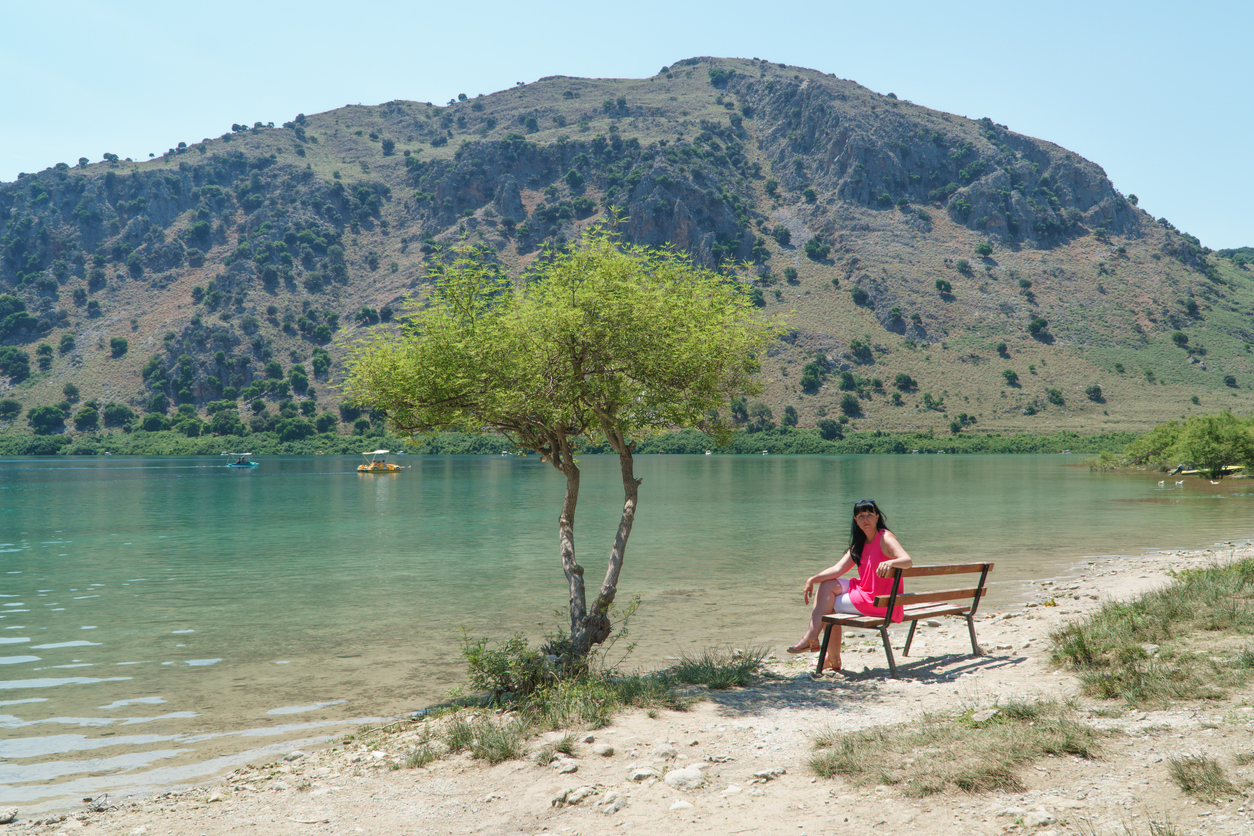
L’isola di Creta è una delle più affascinanti di tutto il Mediterraneo. Incastonata tra la Grecia e la Turchia, è dotata di spiagge meravigliose e di antichissimi siti culturali. Oltre quattromila anni fa, la maestosa civiltà cretese costruì palazzi affascinanti, ricchi di affreschi e di scritture che gli studiosi devono ancora tradurre del tutto. Nell’entroterra, invece, la natura aspra e montuosa è intervallata da splendidi ruscelli e boschi marittimi.
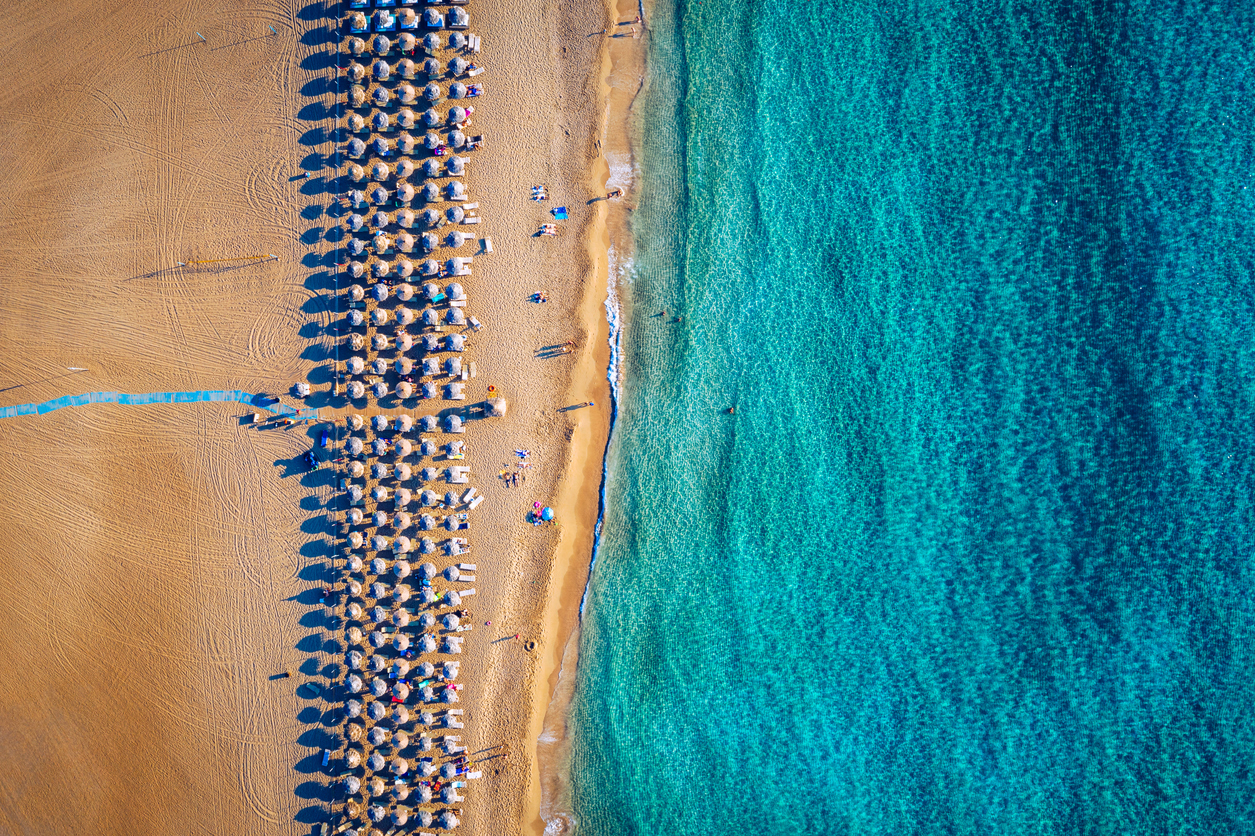
L’isola si sviluppa quasi esclusivamente in lunghezza: da un capo all’altro sono ben 350 chilometri in linea d’aria. Le attrazioni dell’isola sono equamente distribuite lungo le coste, dove le spiagge attrezzate si susseguono davanti a un mare splendido, e nelle zone interne, dove i villaggi sono ricchi di ristoranti locali e di siti archeologici. La migliore soluzione per godere appieno di tutta l’isola, spostandosi in completa libertà, è rappresentata dal car-rental.
Le bellezze dell’isola di Creta
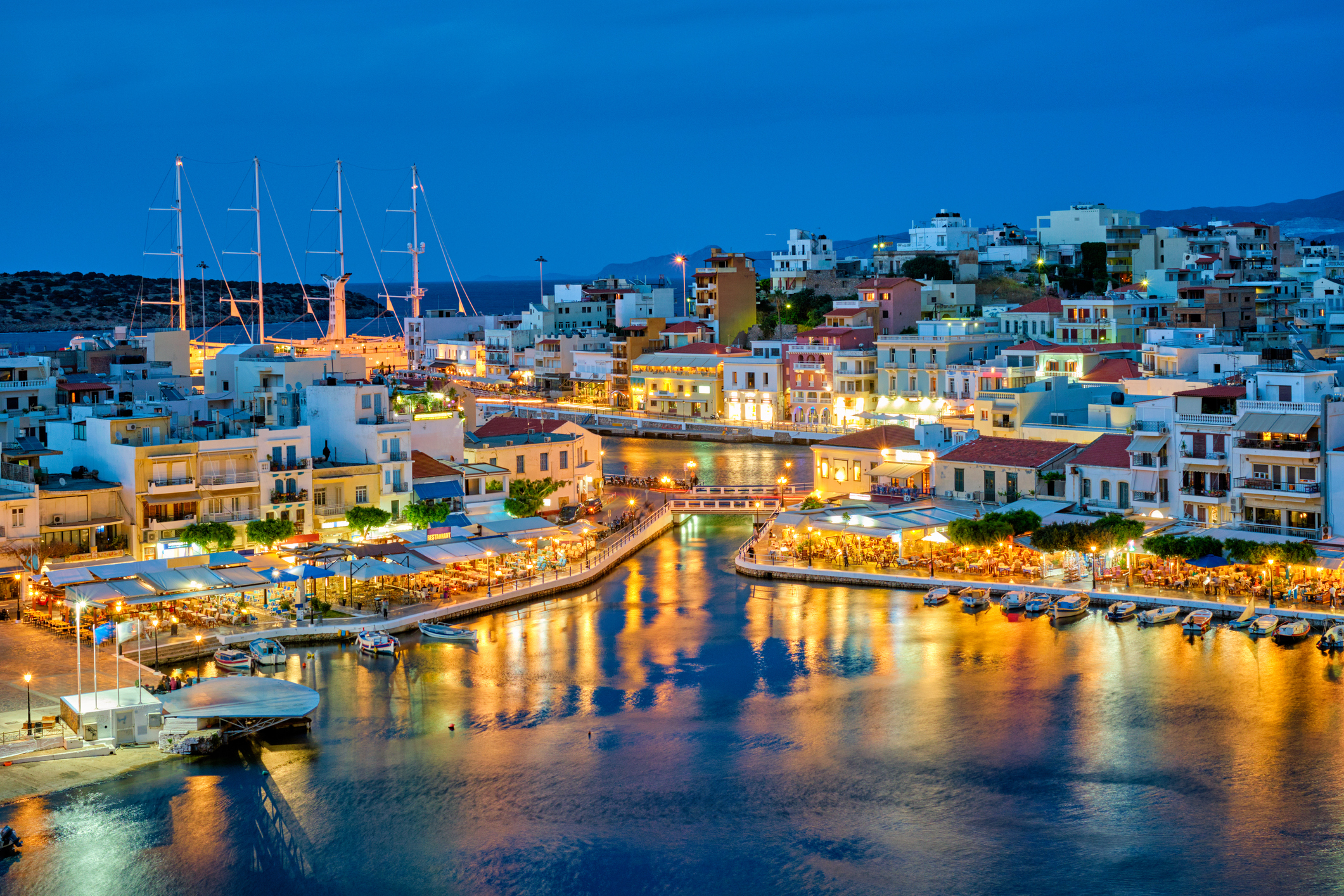
 Creta è un isola adatta a tutti i gusti. Chi cerca una vacanza glamour potrà visitare Agios Nikolaos, quartiere chic per eccellenza; chi è invece amante della storia potrà comodamente raggiungere i palazzi della civiltà cretese, in particolare quello di Cnosso, costruito nel II millennio a.C. e legato alla leggenda del Minotauro. Le spiagge attrezzate, più di trecento, lasciano solo l’imbarazzo della scelta; infine, non può mancare la splendida laguna di Balos.
Se vi sentite coraggiosi, potrete spingere la vostra vettura sino ai confini sud-orientali di Creta, per raggiungere le due piccole isole che le gravitano attorno. Spinalonga, più piccola, era una colonia veneziana mentre Chirissi è una località perfetta per una gita romantica. Anche se il vostro albergo si trova dall’altra parte dell’isola, non dovrete preoccuparvi; in un paio d’ore, ogni distanza sarà colmata, e potrete soddisfare ogni vostro desiderio.
Il car rental
Il noleggio in auto è un sistema che sta prendendo piede in Europa, ora che le patenti hanno valore comunitario e le compagnie si sono specializzate per i turisti. In Grecia, a causa dell’inflazione, i prezzi sono considerevolmente bassi e quindi noleggiare una macchina è la soluzione più vantaggiosa per il nostro portafogli. Creta è ovviamente un’isola molto ricettiva per il turismo, quindi non avrete problemi a trovare la compagnia più adatta.
Perché conviene l’auto a noleggio?
L’auto a noleggio è vantaggiosa anche per questioni meramente pratiche. Prendendo i dovuti accordi con la compagnia di vostro gradimento, potrete far sì che la vettura sia già pronta per voi all’Heraklion Airport, oppure all’indirizzo dell’albergo dove soggiornerete. Oltre a scegliere il modello – se intendete frequentare i locali chic di Agios Nikolaos, anche l’occhio vorrà la sua parte! – potrete anche assumere una guida che vi faccia da cicerone per le strade dell’isola.
https://www.offertenoleggioauto.it/grecia/creta/
I vantaggi: non solo economici!
 Abbiamo visto come le attrazioni dell’isola sono molte e varie, ma sono anche parecchio distanti tra loro. Per non trasformare la vacanza in una corsa contro il tempo,sui mezzi pubblici greci, la cosa migliore è diventare indipendenti con un’auto a noleggio. Solo così si risparmierà tempo, abbattendo quella barriera che spesso i turisti non riescono a infrangere. Costruire il proprio itinerario, poi, permetterà di divertirsi e di accontentare tutti i compagni di viaggio.
Come organizzare un noleggio d’auto
Il primo consiglio, per gli aspiranti viaggiatori, è sempre lo stesso: preparate tutto con largo anticipo. Se combinate il volo aereo con il noleggio della macchina, e prenotate con largo anticipo, ne ricaverete una vacanza molto economica; inoltre, scegliendo con attenzione la compagnia di noleggio, potrete ottenere condizioni molto vantaggiose. Certo, potete anche improvvisare una volta atterrati in aeroporto; ma è sempre meglio non rischiare, e destinare parte del budget ad altre attività.
Un ultimo consiglio
Tutta la costa settentrionale può essere percorsa in auto, sfruttando la strada che corre da Kissiamos fino a Sitia, passando per Agios Nikolaos ed Heraklion. E se volete godere di tutti i panorami mozzafiato, vi consigliamo un giro in barca attorno alle splendide coste dell’isola: vedendola da dentro e da fuori, comprenderete la meraviglia ammaliante di Creta, e capirete perché, da oltre cinquemila anni, gli uomini la vivano e la amino così intensamente.